
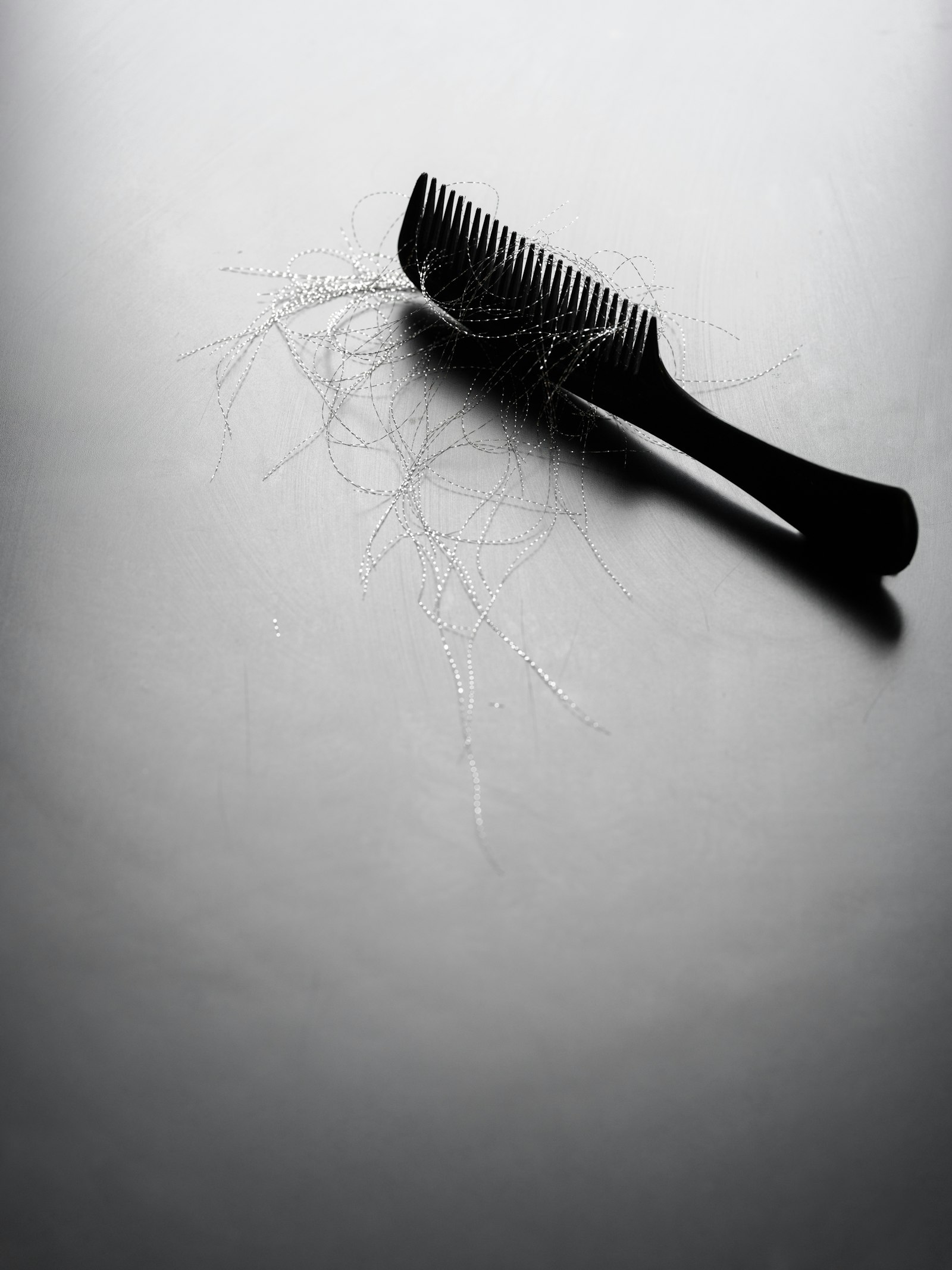
Hair fall or hair loss? When shedding needs a dermatologist
Finding hair on your pillow, in the shower drain or on your comb can be worrying. The good news is that some shedding is completely normal. The key is knowing when shedding has become something more.
How much hair fall is normal?
Hair grows in cycles. At any time, most hairs are growing, while a smaller number are resting and then naturally falling out. Losing around 50 to 100 hairs a day is generally considered normal, and you may notice more on days you wash or comb thoroughly.
Hair fall and hair loss are not the same
Hair fall (shedding) means more hairs than usual are coming out, but the follicles are still working and hair usually grows back. Hair loss means hair is not regrowing as it should, leading to thinning, a widening parting, a receding hairline or bald patches.
Common causes of increased shedding
- Illness or fever: shedding often appears 2 to 3 months after a high fever, infection or surgery
- Stress: major emotional or physical stress can push more hairs into the resting phase
- After pregnancy: many women notice heavy shedding a few months after delivery
- Crash dieting or low nutrition: low iron, protein, vitamin D or B12 can contribute
- Thyroid problems: both an underactive and overactive thyroid can affect hair
- Medicines: some medicines list hair shedding as a side effect
This type of shedding, called telogen effluvium, often settles once the trigger is corrected, usually over a few months.
Signs it may be more than shedding
See a dermatologist if you notice any of these:
- a receding hairline or thinning at the crown
- a widening parting or more scalp showing through
- round, smooth bald patches
- shedding that continues for more than about three months
- itching, pain, redness, scaling or scarring on the scalp
- hair loss in the eyebrows, beard or body
- sudden hair loss in a child
What a dermatologist checks
Hair loss has many causes, and they need different treatment. An assessment usually includes your history, a scalp examination, trichoscopy (a magnified look at the scalp and hair), and sometimes blood tests for iron, vitamins or thyroid. Occasionally a small scalp biopsy is needed to confirm the diagnosis.
Myths worth clearing up
- Frequent washing causes hair loss: washing only removes hairs that were already shedding.
- Oiling stops hair fall: oils can condition hair but do not treat the causes of hair loss, and may worsen dandruff.
- Supplements always help: they help mainly if you are actually deficient; testing first avoids unnecessary pills.
- Nothing can be done: many types of hair loss can be slowed or treated, especially when caught early.
The bottom line
Some daily hair fall is normal and often temporary. Ongoing shedding, visible thinning or patches deserve a proper diagnosis, because the right treatment depends on the cause, and early treatment usually gives better results.
Worried about your hair? Learn about hair loss and trichology at Warang Wellness, or book a consultation to find the cause.
This article is for general information only and is not a substitute for a medical consultation. Suitability, risks and results vary between individuals and are discussed during your consultation with Dr. Omkar Warang.