
Home › Hair Loss & Trichology › PRP Treatment
Hair loss & trichology
PRP treatment for hair loss
Platelet-rich plasma as a supportive treatment for certain types of hair loss, planned by dermatologist Dr. Omkar Warang, DNB, as part of an overall hair care plan.
SessionAbout 1 hour
CourseA few sessions, weeks apart
DowntimeMinimal
ResultsSeen over months
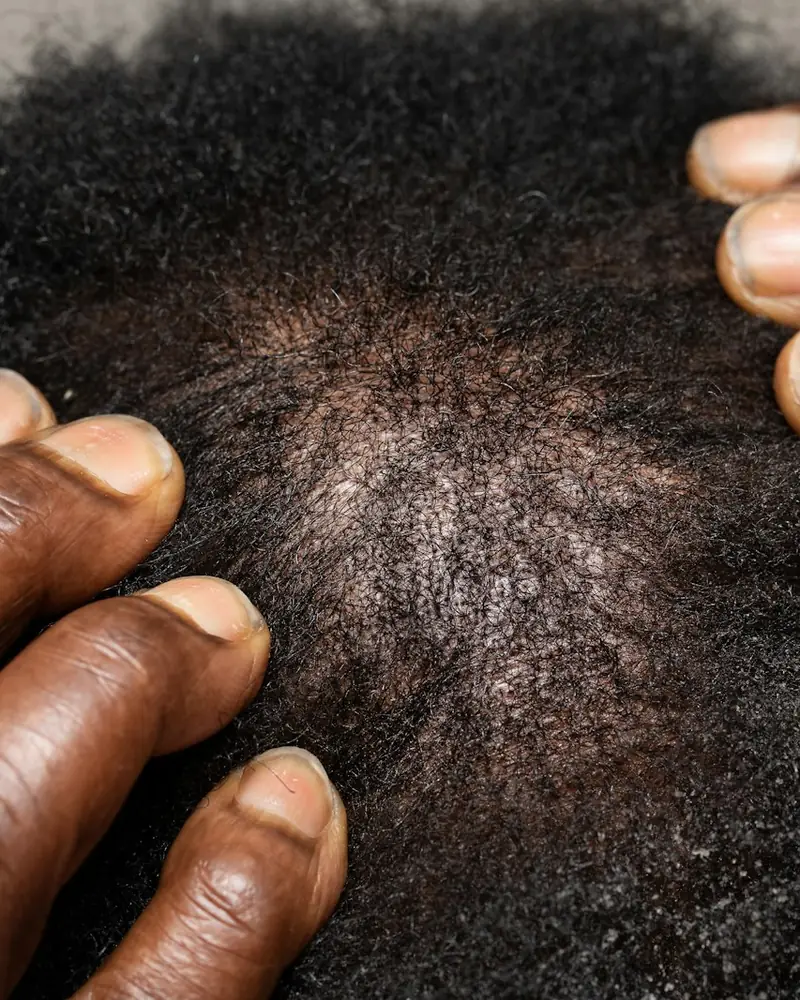
Thinning hair and shedding
Gradual thinning, a widening parting or a receding hairline are common signs of pattern hair loss in both men and women. Increased shedding can also follow illness, stress or hormonal change.
PRP is one of several options that may support the scalp. Whether it’s useful for you depends on the type and cause of your hair loss, so a diagnosis comes first.
How PRP works
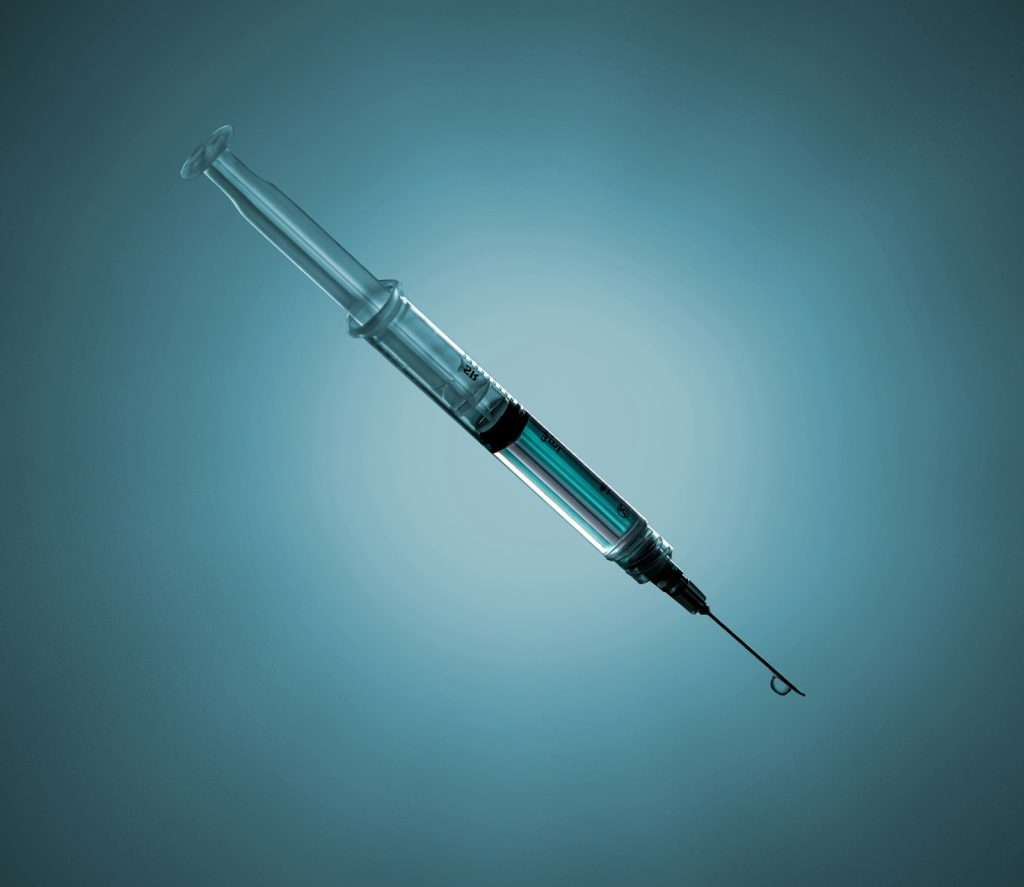
A small sample of your blood is taken and spun in a centrifuge to separate the platelet-rich plasma. Platelets contain growth factors, which are thought to support hair follicles. The plasma is then injected into the thinning areas of the scalp through fine injections.
PRP is usually given as a course of sessions spaced a few weeks apart, sometimes followed by maintenance sessions. It is generally used alongside medical treatment rather than instead of it.
Who PRP may be suitable for
May be suitable if you have…
- pattern hair loss, especially at an earlier stage
- thinning where follicles are still present
- a treatment plan that includes medical management
- had a hair transplant and want supportive scalp care
May not be suitable if you…
- have certain blood or platelet disorders
- take blood-thinning medicines (discuss first)
- have an active scalp infection
- are pregnant, or have some other medical conditions
What to expect
1
Before
An assessment of your hair loss, and advice on whether PRP fits your plan. Come with clean, dry hair and let the clinic know about any medicines you take.
2
On the day
A blood sample is taken, processed and injected into the scalp. A numbing method may be used for comfort. A session usually takes about an hour.
3
Afterwards
Mild tenderness, redness or swelling of the scalp is common and usually settles within a day or two. You’ll be told when you can wash your hair.
4
Results
Hair grows slowly, so any change is usually assessed over several months. Response varies between individuals.
Treatment by Dr. Omkar Warang, DNB
Non-surgical trichology is a core part of Dr. Warang’s practice, including PRP, GFC, dutasteride mesotherapy and exosomes. Drawing on his experience as Director of Trichology at Hair and Shape Clinic (2023–2026), he plans PRP within a wider hair care plan, and has spoken on trichology at a biannual ESIC meet.

How many PRP sessions will I need?
Most plans involve a course of several sessions a few weeks apart. The exact number depends on your hair loss and response, and is decided with you.
Is PRP painful?
The scalp injections can be uncomfortable. Numbing methods are used to make it more comfortable, and the discomfort is short-lived.
Can PRP stop hair loss completely?
No treatment can promise that. PRP is a supportive treatment; it is usually most useful as part of a plan that also treats the underlying cause.
What is the difference between PRP and GFC?
Both come from your own blood. GFC is processed differently to concentrate growth factors. Which, if either, suits you is discussed at consultation.
How much does PRP cost?
The cost per session and the likely number of sessions are explained at your consultation.
Related treatments
Discuss PRP with Dr. Warang
Find out whether PRP could support your hair loss treatment plan.
Visit Warang Wellness
- Monday–Saturday · 9:00 AM – 6:00 PM
- 4th Floor, Parth Business Plaza, near Valnai Mithchowki Metro Station, Malad (West), Mumbai - 400064
- 90032 89132
- warangomkar@gmail.com
This page provides general information and is not a substitute for a medical consultation. Suitability, risks and results vary between individuals and are discussed during your consultation with Dr. Omkar Warang.