
Living with atopic dermatitis: daily skincare basics
Atopic dermatitis, often called eczema, is a long-term skin condition that causes dry, itchy and inflamed skin. It tends to come and go in flares. While there is no permanent cure, good daily skincare can make a real difference to comfort and how often flares happen.
Why the skin barrier matters
In atopic dermatitis, the skin’s outer barrier does not hold on to moisture well and lets irritants in more easily. This leads to dryness, itching and inflammation. Daily care focuses on repairing and protecting that barrier.
Bathing the right way
- use lukewarm, not hot, water
- keep baths or showers short, around 5 to 10 minutes
- use a gentle, fragrance-free cleanser or soap substitute instead of regular soap
- pat the skin dry with a soft towel rather than rubbing
- apply moisturiser within a few minutes, while the skin is still slightly damp
Moisturise, moisturise, moisturise
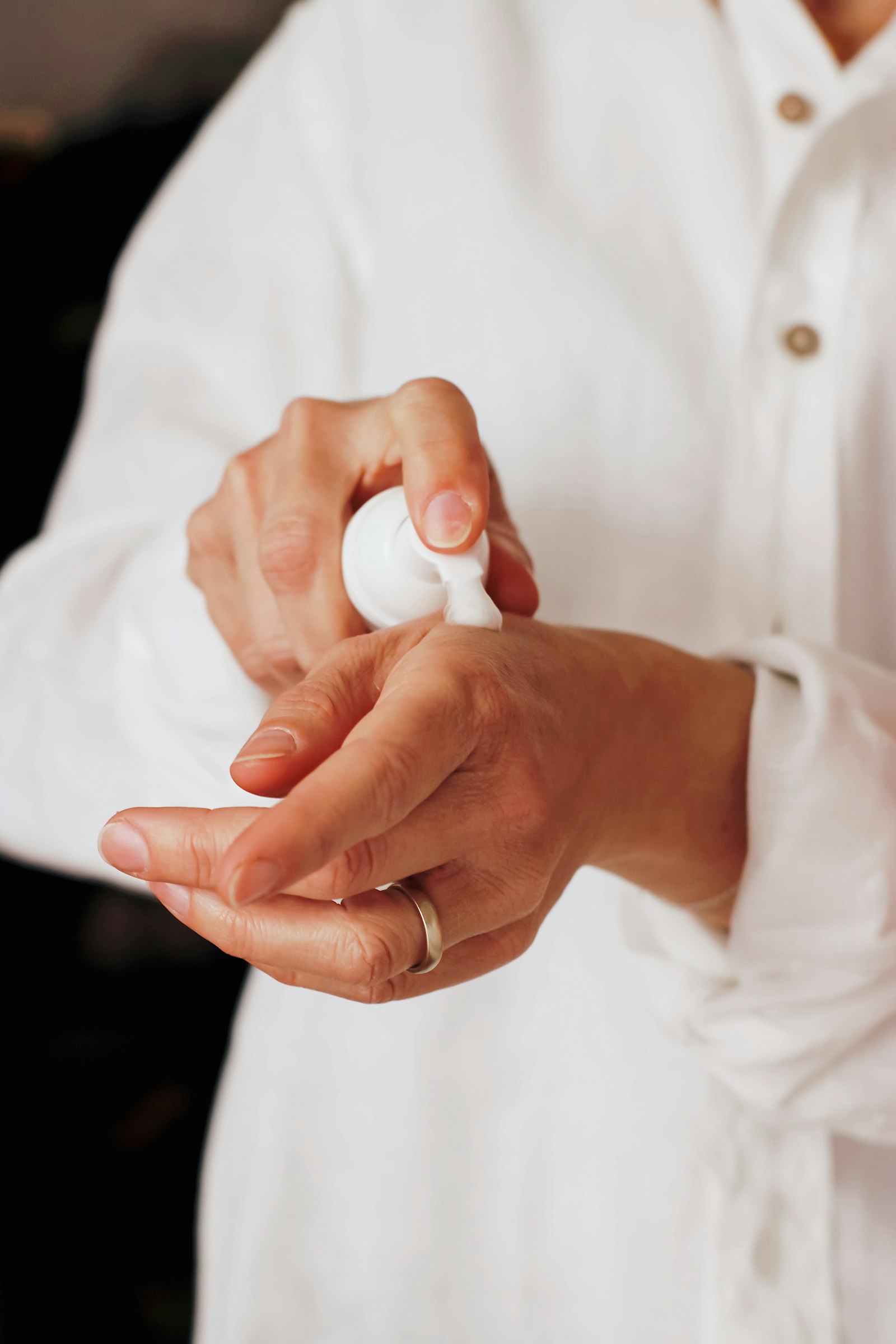
Moisturising is the single most important daily step. Thicker creams and ointments usually protect better than thin lotions. Apply generously at least twice a day, and more often on very dry areas, even when the skin looks clear. Smooth it on in the direction of hair growth.
Know and avoid your triggers
Triggers vary from person to person. Common ones include:
- harsh soaps, detergents and fragranced products
- rough or woolly fabrics; soft cotton is usually gentler
- sweating and overheating, especially in humid weather
- dust mites, pet dander or pollen in some people
- stress, which can worsen itching
- scratching, which damages the skin and keeps the itch going
Managing the itch
Keep nails short, especially in children, and try pressing or patting the skin instead of scratching. A cool compress can soothe an itchy area. If itching disturbs sleep, mention it to your doctor, as there are treatments that can help.
Flares and medical treatment
When skin becomes red, inflamed or very itchy despite good skincare, a flare may need prescription treatment, such as anti-inflammatory creams used exactly as advised. For moderate to severe or stubborn disease, a dermatologist may discuss phototherapy, tablets or newer advanced treatments.
Avoid using strong steroid creams bought over the counter without advice, as the wrong strength or long-term use can harm the skin.
When to see a dermatologist
- the skin is not improving with good skincare
- itching affects sleep, work or school
- skin is weeping, crusted or very painful, which may suggest infection
- flares are frequent or widespread
- you are unsure which creams to use or how long to use them
Learn more about atopic dermatitis care at Warang Wellness, or book a consultation for a personalised skincare plan.
This article is for general information only and is not a substitute for a medical consultation. Suitability, risks and results vary between individuals and are discussed during your consultation with Dr. Omkar Warang.