
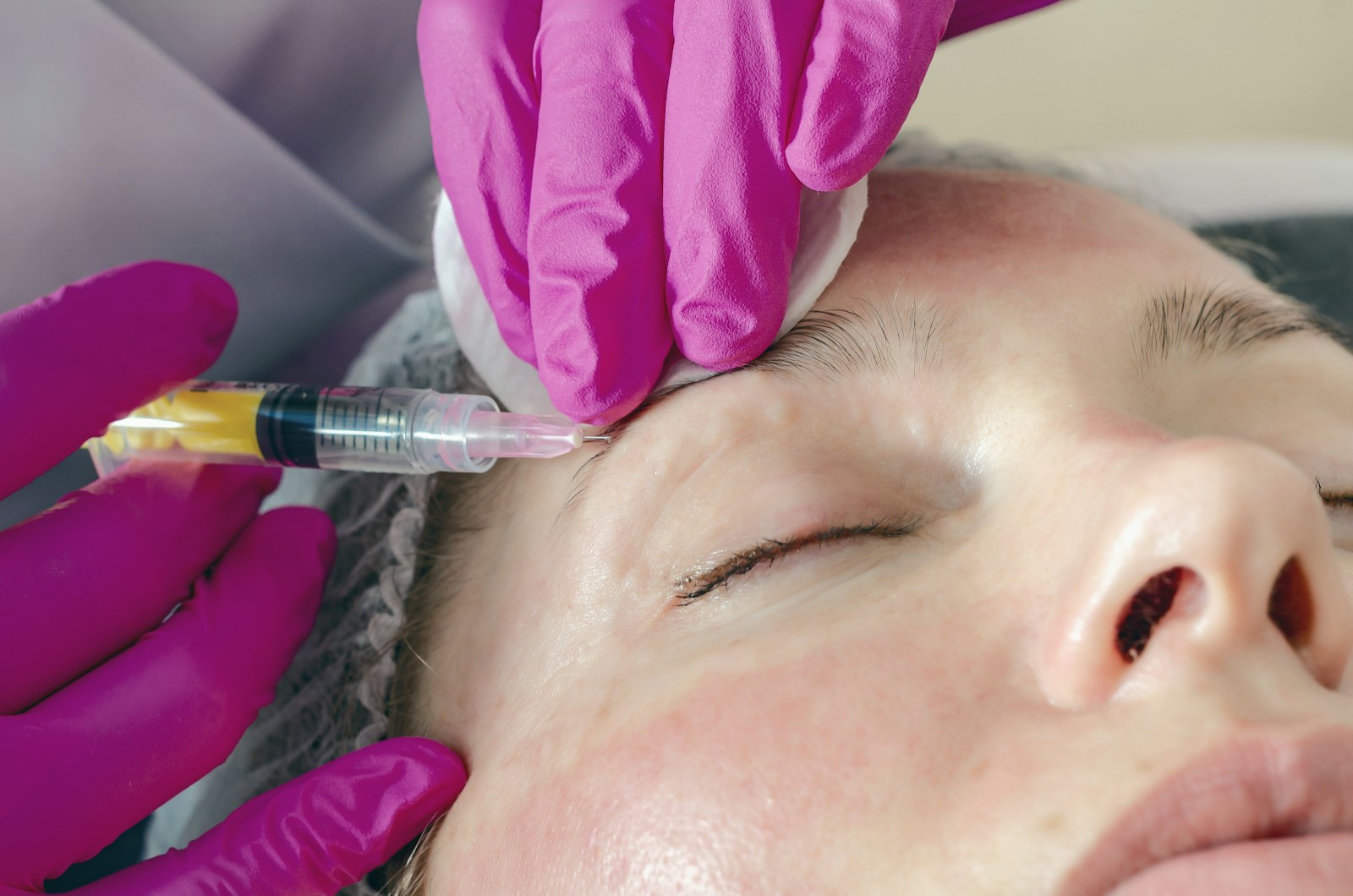
Skin boosters, neurotoxin and fillers: what each one does
Skin boosters, neurotoxin and fillers are often mentioned together, and it is easy to mix them up. They are all injectable treatments, but they work in very different ways and are used for different concerns. Understanding the difference helps you have a clearer conversation with your dermatologist.
Skin boosters: improving skin quality
Skin boosters are injections of hydrating ingredients, often hyaluronic acid, placed in small amounts within the skin. They aim to improve hydration, texture and overall skin quality, giving a fresher, healthier-looking glow.
- Good for: dull, dehydrated skin, fine texture lines and loss of glow
- Not for: adding volume or lifting
- Results: build gradually over a short course, then maintenance
Neurotoxin: softening expression lines
Neurotoxin injections, often called anti-wrinkle injections, temporarily relax specific facial muscles. This softens lines caused by repeated movement, such as frown lines, forehead lines and crow’s feet.
- Good for: lines that appear when you frown, raise your eyebrows or smile
- Not for: lines present at rest because of volume loss
- Results: begin within a few days, are fullest at about two weeks and usually last around 3 to 4 months
Fillers: restoring volume and support
Dermal fillers, usually made of hyaluronic acid, restore lost volume and support. They can soften folds, restore cheek support, define the jawline or improve lip shape, depending on where they are placed.
- Good for: volume loss, hollows, deeper folds and facial contouring
- Not for: lines caused purely by muscle movement
- Results: visible straight away, lasting from months to over a year depending on the product and area
Quick comparison
- Skin boosters improve the quality of the skin itself
- Neurotoxin relaxes muscles that cause expression lines
- Fillers replace volume and support that has been lost
Many people benefit from a combination, for example neurotoxin for frown lines and a skin booster for glow. The right plan depends on your face, your skin and your goals.
Safety comes first
These are medical procedures. They should be done by a trained doctor who understands facial anatomy and can manage side effects. Common effects include temporary redness, swelling or bruising. Rare but serious complications can occur, which is why an assessment, honest discussion of risks and a qualified practitioner matter.
They may not be suitable during pregnancy or breastfeeding, with active skin infection, or with certain medical conditions. Your doctor will check this before treatment.
How a dermatologist helps you choose
A consultation looks at what is actually causing the change you have noticed: skin quality, muscle movement, volume loss, or a mix. The aim is a subtle, natural result that still looks like you, with realistic expectations set before anything is done.
Read more about skin boosters, anti-wrinkle injections and fillers at Warang Wellness, or book a consultation.
This article is for general information only and is not a substitute for a medical consultation. Suitability, risks and results vary between individuals and are discussed during your consultation with Dr. Omkar Warang.