
Home › Hair Transplant
Hair transplant
Hair transplant in Mumbai, planned around your natural hairline
Surgical hair restoration by Dr. Omkar Warang, DNB, a dermatologist who assesses the cause of your hair loss before recommending surgery.
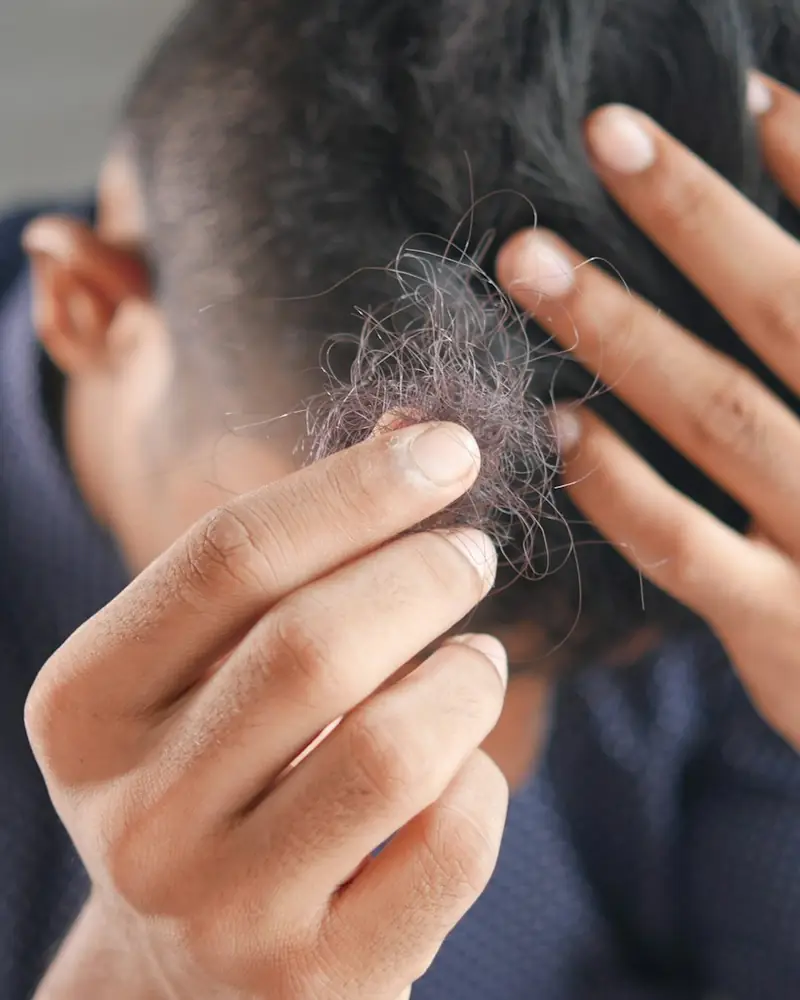
500+Surgeries performed
FUEFollicular unit extraction technique
DNBDermatologist-led assessment
Malad (W)Near Valnai Mithchowki Metro, Mumbai
Is a hair transplant right for you?
A transplant moves your own hair to where it has thinned; it does not create new follicles. That makes the assessment as important as the surgery itself.
It may be suitable if you have…
- pattern hair loss that has stabilised, or is being managed medically
- enough healthy donor hair at the back and sides of the scalp
- realistic expectations about density and coverage
- good general health
Other treatment may come first if…
- hair loss is recent, rapid or patchy
- the cause hasn't been diagnosed yet, for example thyroid or nutritional factors, alopecia areata or scarring alopecia
- hair loss is at a very early stage and still progressing
Why a dermatologist-led approach matters
Hair loss is often a medical condition. As a dermatologist, Dr. Warang can diagnose the underlying cause, combine surgery with medical or non-surgical treatment where it helps, and plan for how your hair may change over time.
Diagnosis first
The type and cause of hair loss are confirmed before surgery is discussed.
Surgery and medical care together
Treatment to protect existing hair can be planned alongside the transplant.
Planning for the long term
The hairline and graft distribution take future hair loss into account.
The technique
FUE and natural hairline design
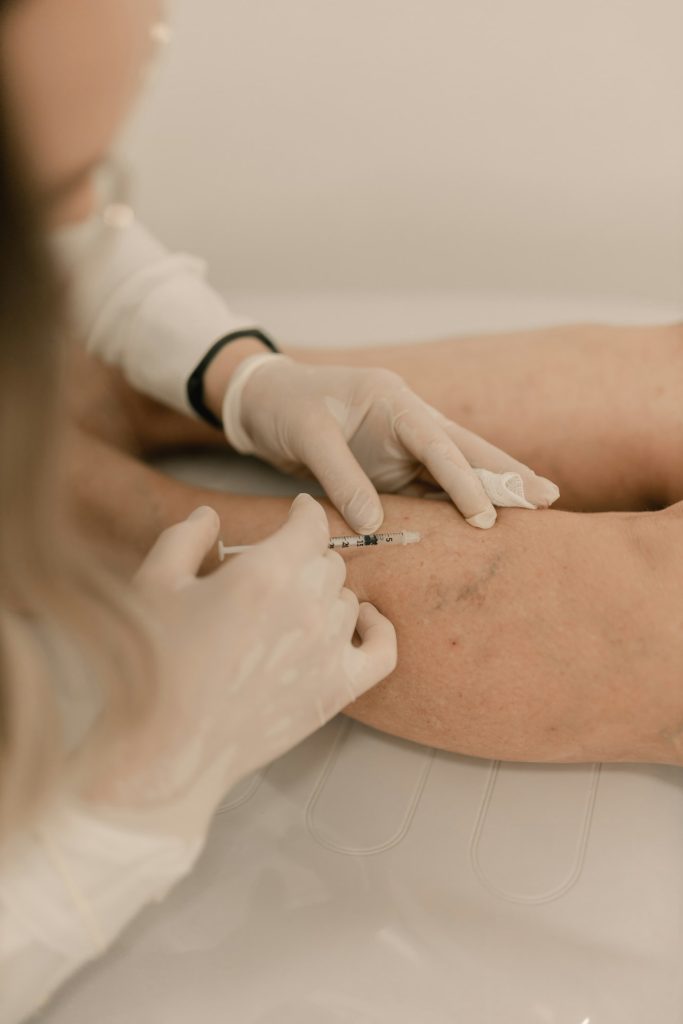
In follicular unit extraction (FUE), individual follicular units are taken one at a time from the donor area and implanted into the thinning area. The hairline is drawn for your facial proportions, age and hair characteristics, so that it suits you now and as you get older.
Your hair transplant journey
1
Consultation & assessment
Cause of hair loss, donor area and expectations.
2
Planning
Hairline design and the number of grafts, explained before you decide.
3
Procedure day
Performed under local anaesthesia. Most patients go home the same day.
4
Recovery & growth
Aftercare instructions and planned reviews while new hair grows.
How long does the procedure take?
It depends on the number of grafts. A session commonly takes several hours, and you will be told the expected duration at planning.
Is a hair transplant painful?
It is performed under local anaesthesia. You may feel discomfort while the anaesthetic is given and some soreness afterwards, which is usually managed with prescribed medicines.
When will I see results?
Transplanted hairs commonly shed in the first few weeks. New growth usually begins after a few months, and the final result is typically assessed at around 12 months. Timelines vary between individuals.
Will it look natural?
A natural appearance depends on hairline design, graft placement, donor hair and your hair characteristics. These are planned with you, but individual results vary and cannot be guaranteed.
Will I still need medicines after the transplant?
Often, yes. A transplant does not stop hair loss in the areas that were not treated, so medical treatment may be advised to protect your existing hair.
Discuss your hair transplant
A consultation helps assess whether a transplant is suitable for you, and what else may help.
Visit Warang Wellness
- Monday–Saturday · 9:00 AM – 6:00 PM
- 4th Floor, Parth Business Plaza, near Valnai Mithchowki Metro Station, Malad (West), Mumbai - 400064
- 90032 89132
- warangomkar@gmail.com
This page provides general information and is not a substitute for a medical consultation. Suitability, risks and results vary between individuals and are discussed during your consultation with Dr. Omkar Warang.