
Home › Clinical Dermatology › Atopic Dermatitis
Clinical dermatology
Atopic dermatitis (eczema) treatment
Care for itchy, flare-prone skin, from daily skincare to advanced treatments including biologics where appropriate, with dermatologist Dr. Omkar Warang, DNB.
ConditionLong-term, not contagious
Main goalCalm itch & flares
TreatmentSkincare to advanced options
You getA written daily plan
Understanding atopic dermatitis
Atopic dermatitis, the most common type of eczema, causes dry, itchy and inflamed skin. It often starts in childhood but can continue into, or begin in, adulthood. It is linked to a weakened skin barrier and immune factors, and often runs in families alongside asthma or hay fever.
It tends to flare and settle. Itching can disturb sleep and daily life, and scratched skin can become infected. It is not contagious.
How atopic dermatitis is treated
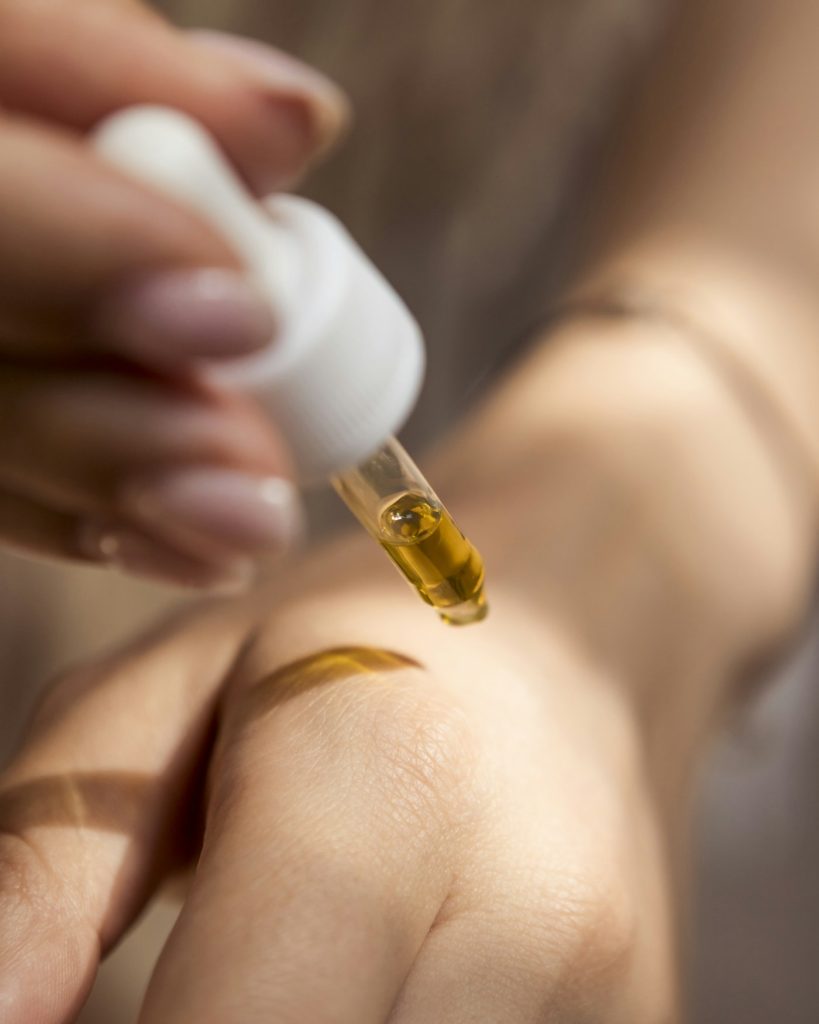
Treatment aims to repair the skin barrier, calm inflammation, control itch and reduce flares.
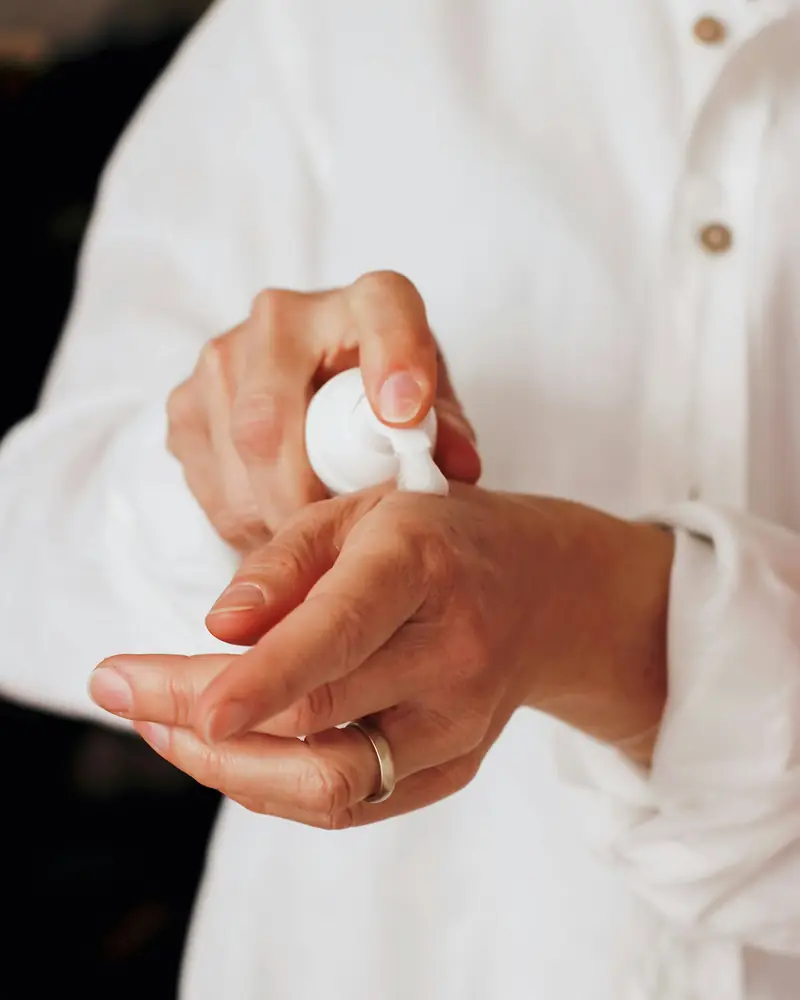
- Daily skincare: regular emollients (moisturisers) and gentle cleansing are the foundation
- Trigger management: identifying irritants, sweat, heat or other factors that worsen your skin
- Topical anti-inflammatory treatments: used during flares, and sometimes to prevent them
- Treating infection: when the skin becomes infected
- Systemic treatments: oral medicines or biologics for moderate to severe disease that isn't controlled otherwise
When to see a dermatologist
Consider an appointment if…
- itch is affecting your sleep or daily life
- flares keep returning despite treatment
- the skin is weeping, crusted or painful (possible infection)
- you're unsure whether it's eczema or another condition
Advanced treatment may be considered when…
- eczema is moderate to severe
- topical treatment hasn't given enough control
- screening and monitoring are possible
What to expect
1
Before
Bring the products and medicines you use, and photos of flares if your skin looks different on the day.
2
On the day
A history of your skin and possible triggers, and an examination. Tests are advised only if needed.
3
Afterwards
A written skincare and treatment plan, including what to do when a flare starts.
4
Results
Many people notice improvement within weeks of consistent care. Follow-up visits adjust the plan over time.
Care by Dr. Omkar Warang, DNB
Medical management of atopic dermatitis, including biologics, is one of Dr. Warang’s listed areas of expertise. He trained in dermatology at Madras Medical College and GMERS Medical College, and focuses on a clear diagnosis and a plan you can follow day to day.

Is eczema contagious?
No. It cannot be passed on to others.
Can atopic dermatitis be cured?
It is usually long-term, but it can often be well controlled, and some people find it improves with time.
Are steroid creams safe?
When used as advised, in the right strength and for the right duration, topical steroids are an effective and safe treatment. Your plan will explain exactly how to use them.
Which moisturiser should I use?
Usually a fragrance-free emollient, used generously and often. The right type depends on your skin and is discussed at consultation.
Can food allergies cause eczema?
In some children, certain foods can worsen eczema, but food is not the main cause for most people. Avoid restrictive diets without medical advice.
Related treatments
Discuss your eczema with Dr. Warang
Get a clear diagnosis and a plan to calm flares and protect your skin.
Visit Warang Wellness
- Monday–Saturday · 9:00 AM – 6:00 PM
- 4th Floor, Parth Business Plaza, near Valnai Mithchowki Metro Station, Malad (West), Mumbai - 400064
- 90032 89132
- warangomkar@gmail.com
This page provides general information and is not a substitute for a medical consultation. Suitability, risks and results vary between individuals and are discussed during your consultation with Dr. Omkar Warang.